


738 Sheppard Ave East Suite 201, North York, Ontario info@dr-kay.net (416) 223-2151

TMJ Disorders and You

 
Temporomandibular joint disorders (TMD), often referred to as TMJ disorders, is the dysfunction of the muscles and joints in the jaw. This disorder can lead to chronic pain in the jaw, face, head, neck, or shoulders. It's important for patients to recognize common symptoms, including:

  • Pain or tenderness around the ears and jaw joints
  • Difficulty opening or closing the mouth
  • Clicking or popping sounds when chewing or yawning
  • Neck pain and headaches

The Psychological Impact of TMJ Disorders

TMD can have a significant psychological impact and can compound stress, anxiety, and frustration due to chronic pain and limitations in daily activities. Understanding the emotional effects is crucial for both patients and healthcare providers, as stress can exacerbate TMD symptoms. Stress management techniques and talk therapy are encouraged to reduce mental exhaustion.

TMJ Treatments

Home Remedies

If you're suffering from TMJ you can find relief through simple self-care practices, such as:

  • Eating foods that minimize jaw strain
  • Applying ice packs to reduce swelling and numb pain
  • Being aware of jaw movements like clenching (bruxism) and consciously checking your jaw position at multiple intervals throughout the day
  • Practicing relaxation techniques to manage stress
  • Performing gentle jaw-stretching exercises

Medication

If home remedies are insufficient, medications may be recommended by your doctor. Some of these include:

  • Nonsteroidal anti-inflammatory drugs (NSAIDs)
  • Corticosteroids
  • Muscle relaxants
  • Antidepressants
  • Local anesthetics

Therapies

Physical therapy can also be beneficial, with options such as:

  • Heat or cold therapy
  • Massage and Acupuncture
  • Tissue mobilization
  • Resistance and stretching exercises

For additional relief, Osteopathy can be an option. Osteopaths use hands-on techniques to diagnose, treat, and prevent various health issues by ensuring that the body’s musculoskeletal system is functioning optimally. This holistic approach can help restore balance and function to the jaw and surrounding muscles.

Managing TMD

For effective management of TMD:

  • Schedule a thorough examination. Your dentist may recommend various diagnostics and create a personalized treatment plan, which could include referrals to specialists.
  • In rare cases, if other treatments don’t provide relief, surgical and other interventions may be considered, such as corrective dental treatment, arthrocentesis, or joint replacement surgery.

Understanding TMD and its implications allows patients to take proactive steps toward relief and an improved quality of life. If you have any concerns regarding TMJ, don't hesitate to contact our dental office today! This way, we can start working on your path to relief and a healthier jaw.

Book an appointment with us and be sure to mention any concerns you might have regarding your TMY, clenching, or any jaw pain.

Sources:

Fees and Financial Information

At our North York dental office, our fees are based on the most current Ontario Dental Association fee guides.

If you have any questions about the costs of any of our dental services, please contact us so one of our staff members can clarify and guide you through the price determinations.

Doctor Referral

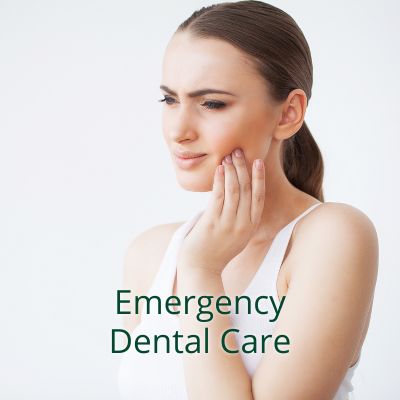
You can find our patient referral form here. We provide dental care for the whole family, including children's dentistry and emergency dental care.


Our dentists are active members of:


Ontario Dental Association - Kaydental - North York dentist
Canadian Dental Association - Kaydental - North York dental office
Academy of General Dentistry - Kaydental - North York family dentist
Canadian Association of Orthodontists - Kaydental - North York Pediatric dentist
Canadian Dental Hygienists Association - Kaydental - North York dental hygienist
© Kaydental, North York Family Dentist - All Rights Reserved
SEO & Dental Marketing by UpOnline.
UpOnline for Artin Dental